Namaiki Ojousama wa Saimin de Ochiru
Advertisement
Games Overview
Dive into Namaiki Ojousama wa Saimin de Ochiru APK, a psychological visual novel that explores power, and choice-driven storytelling with deep characters and bold themes.
Table of Contents
Namaiki Ojousama wa Saimin de Ochiru APK — When Mind Games, Power, and Narrative Control Collide in a Bold Psychological
Let’s get one thing straight: Namaiki Ojousama wa Saimin de Ochiru is not your average mobile game. It’s a story-first, psychology-driven visual novel that leans hard into power dynamics, choice-based storytelling, and the uneasy tension between confidence and vulnerability. If you’re here expecting flashy action or casual tap-tap gameplay, wrong door. This one is about narrative control, slow-burn progression, and how small decisions snowball into big consequences.
This article dives deep into what makes the game tick—its story structure, characters, gameplay systems, artistic direction, and why it sparks so much discussion among visual novel fans. No installation talk, no technical fluff. Just the game itself, unpacked.
A Story Built on Confidence, Control, and Cracks Beneath the Surface
Namaiki Ojousama wa Saimin de Ochiru tells the story of a proud, sharp-tongued young lady—the classic “ojousama” archetype—whose unshakable confidence becomes the central tension of the narrative. She’s intelligent, privileged, and fully aware of her social standing. The story doesn’t rush to break that image; instead, it slowly examines it, testing how stable that confidence really is when psychological pressure enters the equation.
The hypnosis element is not treated like a cheap gimmick. Rather than instant control or exaggerated fantasy, the narrative frames it as a gradual influence. The story focuses on suggestion, repetition, and subtle shifts in perception. This makes the pacing deliberate and, at times, uncomfortably intimate. You’re not watching a switch flip—you’re watching a mindset change, piece by piece.
What keeps the story engaging is its awareness of its own themes. Power isn’t one-sided here. The protagonist’s resistance, intelligence, and self-awareness push back against the player’s actions, creating a dynamic where nothing feels guaranteed. The game constantly asks: who is really in control right now?
Advertisement
Characters That Feel Reactive, Not Static
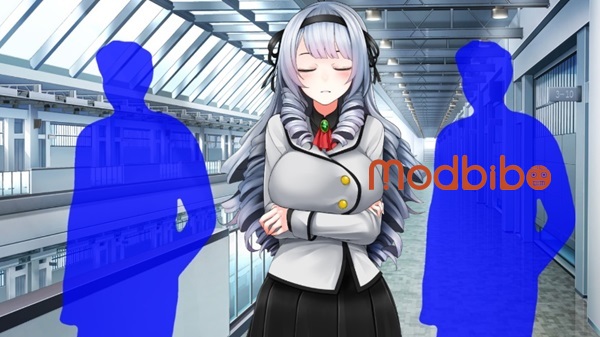
The titular ojousama is the emotional and narrative anchor of the game. She isn’t written as a flat stereotype. Yes, she’s arrogant. Yes, she’s sharp with words. But she’s also perceptive, adaptable, and surprisingly reflective when the story allows space for it. Her dialogue changes depending on how you approach her, making her feel reactive rather than scripted.
Instead of flooding the game with side characters, the developers keep the cast tight. This focus allows for more nuanced writing and deeper character exploration. Conversations are layered, often carrying double meanings depending on your previous choices. What sounds like confidence in one route may feel like deflection in another.
This reactive writing style is one of the game’s strongest points. It rewards patience and attention. If you rush, you miss subtext. If you experiment, you uncover new facets of the characters’ personalities.

Gameplay: Minimalist by Design, Strategic by Nature
Gameplay in Namaiki Ojousama wa Saimin de Ochiru is intentionally restrained. You won’t find complex stats screens or endless menus. Instead, interaction revolves around dialogue choices, timing, and narrative branching.
The hypnosis system works less like a meter and more like a context-sensitive mechanic. Certain choices only become available after specific narrative conditions are met. Repetition matters. Tone matters. Even silence can matter. This design pushes players to think strategically rather than mechanically.
Failing isn’t punished with a “game over” screen every time. Sometimes failure simply alters the direction of the story, leading to colder interactions, increased resistance, or alternate endings. That flexibility makes experimentation feel safe and encourages replayability.
The game understands its genre well enough to not overcomplicate things. It trusts the story to carry the experience—and honestly, that confidence pays off.
Visual Presentation: Expressive Without Being Overstated
Visually, the game leans into a clean anime-inspired art style. Character sprites are detailed where it counts—facial expressions, posture, and eye movement do a lot of storytelling heavy lifting. Small changes in expression often communicate more than entire dialogue boxes.
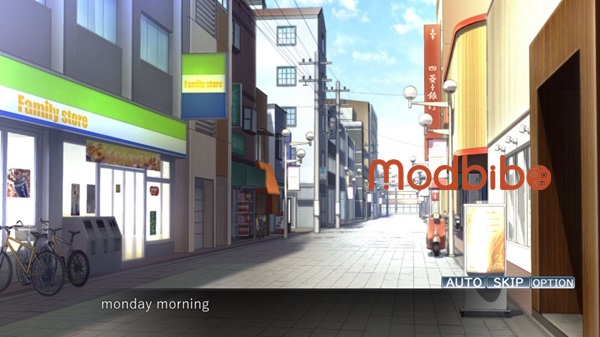
Backgrounds are understated but effective, grounding scenes without distracting from character interactions. Lighting and framing subtly shift to match the emotional tone of key moments, reinforcing tension or vulnerability without spelling it out.
UI design stays out of the way. Menus are simple, readable, and responsive. This might sound basic, but in a dialogue-heavy game, clarity is everything. Nothing breaks immersion faster than fighting the interface, and thankfully, that’s not an issue here.

Sound Design That Knows When to Step Back
The audio design deserves credit for its restraint. Background music is atmospheric rather than dominant, often fading into the background to let dialogue take center stage. When the music does swell, it’s usually during emotionally charged moments, amplifying tension rather than forcing it.
Sound effects are minimal but purposeful. Page turns, subtle ambient noise, and occasional cues help maintain immersion without overwhelming the player. The game understands that silence can be just as powerful as sound—and it uses that silence effectively.
Advertisement
Themes That Invite Discussion, Not Just Consumption
What sets Namaiki Ojousama wa Saimin de Ochiru apart from many visual novels is its willingness to sit in uncomfortable territory. It doesn’t rush to justify or glorify every action. Instead, it presents scenarios and lets players grapple with the implications.
The story explores themes of autonomy, influence, pride, and self-perception. Hypnosis is portrayed less as a fantasy shortcut and more as a mirror—reflecting weaknesses, desires, and contradictions already present in the characters. This approach gives the narrative more weight and invites interpretation rather than passive consumption.
It’s the kind of game that sparks debates in comment sections and forums. Different players walk away with different readings of the same scenes, and that ambiguity feels intentional.
Replay Value Rooted in Perspective Shifts
Replayability doesn’t come from hidden collectibles or alternate costumes. It comes from perspective. Small changes in approach can lead to drastically different emotional outcomes. A more aggressive strategy might accelerate certain events but close off deeper character moments. A patient approach may reveal vulnerabilities that are otherwise easy to miss.
Multiple endings exist, but the journey to them is what matters. Even when you reach the same conclusion twice, the emotional context can feel completely different based on how you got there. That’s a sign of strong narrative design.
Who This Game Is (and Isn’t) For
This game is for players who enjoy reading, thinking, and engaging with psychological storytelling. If you appreciate visual novels that respect your intelligence and don’t over-explain themselves, you’ll likely find a lot to like here.
However, if you’re looking for fast-paced gameplay, constant rewards, or lighthearted escapism, this probably isn’t your vibe. The pacing is deliberate, sometimes slow, and the themes require attention. This is a sit-down, headphones-on kind of experience.
Final Thoughts: A Confident, Focused Narrative Experience
Namaiki Ojousama wa Saimin de Ochiru APK is a game that knows exactly what it wants to be—and doesn’t apologize for it. It’s tightly written, mechanically simple, and thematically bold. By focusing on psychological tension rather than spectacle, it delivers an experience that lingers long after the screen fades to black.
It won’t be everyone’s favorite, and that’s kind of the point. This is a game that challenges players to engage, question, and reflect. If that sounds like your kind of night in, this visual novel earns its place on your radar.